Hey there! As a supplier of drive shafts for Ford vehicles, I often get asked about the RPM range of a drive shaft under normal driving conditions. So, I thought I'd write this blog to shed some light on this topic and share some useful insights.
First off, let's understand what a drive shaft does. The drive shaft is a crucial component in a vehicle's drivetrain. It transfers torque from the transmission to the differential, which then distributes power to the wheels. In a Ford vehicle, the drive shaft plays a vital role in ensuring smooth and efficient power delivery.
Now, when it comes to the RPM range of a drive shaft for Ford under normal driving, it can vary depending on several factors. One of the main factors is the type of Ford vehicle. Different models have different engine specifications, gear ratios, and driving characteristics, which all affect the drive shaft RPM.
For example, in a Ford sedan with a smaller engine, the drive shaft RPM might be relatively lower compared to a Ford truck or SUV with a larger, more powerful engine. A typical Ford sedan with a 4 - cylinder engine might have a drive shaft RPM in the range of 1000 - 3000 RPM during normal city driving. This is because in city traffic, you're often driving at lower speeds, and the engine doesn't need to work as hard.
On the other hand, a Ford F - Series truck, which is known for its towing and hauling capabilities, might have a drive shaft RPM that can go up to 4000 RPM or even higher when towing a heavy load or driving on the highway at higher speeds. When you're towing, the engine has to work harder to move the additional weight, and this results in a higher RPM for the drive shaft.
Another factor that affects the drive shaft RPM is the gear you're in. In lower gears, the drive shaft RPM will be higher for a given speed compared to higher gears. For instance, when you're starting from a stop in first gear, the drive shaft RPM will spike as the engine tries to get the vehicle moving. As you shift up through the gears, the RPM will gradually decrease for the same speed.
Let's talk about the importance of keeping the drive shaft RPM within the appropriate range. If the RPM is too low, the engine might not be able to generate enough power, and the vehicle will feel sluggish. On the other hand, if the RPM is too high for an extended period, it can put excessive stress on the drive shaft and other drivetrain components, leading to premature wear and potential failure.
As a drive shaft supplier for Ford, I always recommend regular maintenance to ensure that the drive shaft is in good condition. This includes checking for any signs of wear, such as excessive play or vibration, and replacing the drive shaft if necessary.
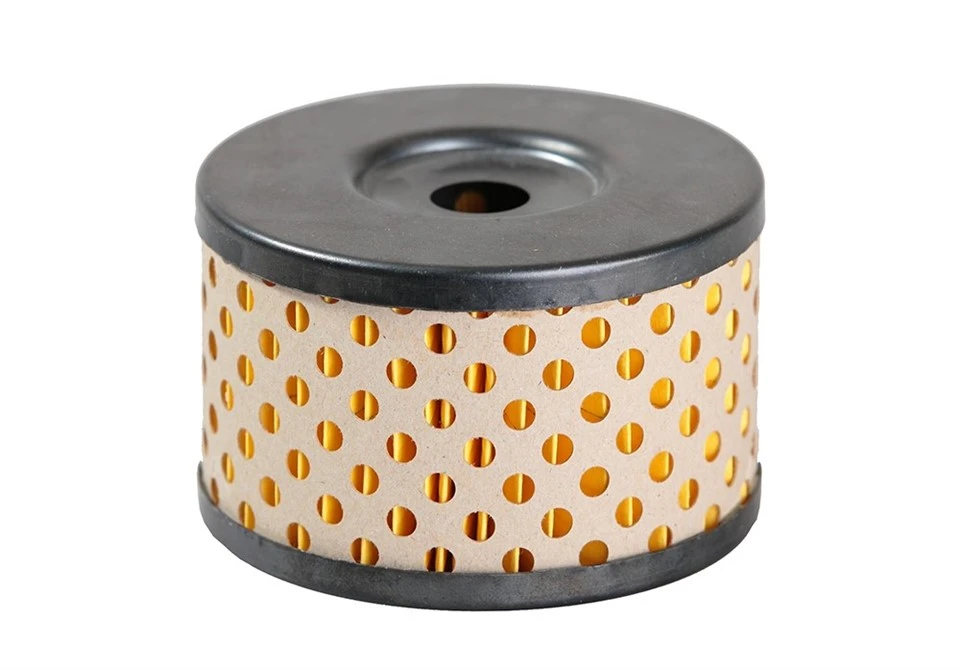
Now, I also want to mention some other important parts for your Ford vehicle. If you're looking for an oil filter, we have some great options. Check out the OIL FILTER 7405 - 1012040 and the OIL FILTER 4310 - 3407359 - 10; 81 - 00195 - SX; Z33619. These oil filters are designed to keep your engine clean and running smoothly.
And if you need a control arm for your Ford's suspension system, take a look at the CONTROL ARM TZKB - 07TD - 24F Black Gray (polyurethane). It's a high - quality part that can improve the handling and stability of your vehicle.
If you're in the market for a drive shaft or any of these other parts for your Ford, don't hesitate to reach out. We're here to provide you with the best products and services. Whether you're a mechanic looking to stock up on parts or a Ford owner in need of a replacement, we can help. Just get in touch, and we'll work with you to find the right solution for your needs.

In conclusion, the RPM range of a drive shaft for Ford under normal driving can vary based on the vehicle model, driving conditions, and gear selection. By understanding these factors and keeping the RPM within the appropriate range, you can ensure the longevity and performance of your Ford's drivetrain. And remember, if you need any parts for your Ford, we're your go - to supplier.
References
- Ford vehicle owner's manuals
- Automotive engineering textbooks on drivetrain systems