

The powertrain of a truck is a complex system that encompasses various components working in harmony to transfer power from the engine to the wheels. Among these components, the drive shaft plays a crucial role. As a drive shafts supplier, I have witnessed firsthand the significance of this part in ensuring the smooth operation of trucks. In this blog, I will delve into the role of a drive shaft in a truck's powertrain, exploring its functions, types, and importance.
Functions of a Drive Shaft in a Truck's Powertrain
The primary function of a drive shaft in a truck's powertrain is to transmit torque from the transmission or transfer case to the differential, which then distributes the power to the wheels. This transfer of power is essential for the truck to move forward or backward. When the engine generates power, it is sent to the transmission, which then selects the appropriate gear ratio. The drive shaft then takes this power and transfers it to the differential, which allows the wheels to rotate at different speeds while maintaining traction.
Another important function of the drive shaft is to accommodate the movement of the suspension and steering components. As the truck travels over uneven terrain, the suspension system compresses and expands, causing the distance between the transmission and the differential to change. The drive shaft must be able to flex and adjust to these changes in length without losing its ability to transmit power. Additionally, the drive shaft must be able to withstand the lateral forces generated by the steering system, ensuring that the wheels turn smoothly and accurately.
Types of Drive Shafts in Trucks
There are several types of drive shafts used in trucks, each designed to meet specific requirements. The most common types include:
- Single-Piece Drive Shafts: These drive shafts are made from a single piece of metal and are typically used in lighter trucks or vehicles with shorter wheelbases. Single-piece drive shafts are relatively simple in design and are less expensive to manufacture. However, they may not be suitable for larger trucks or vehicles that require greater flexibility.
- Two-Piece Drive Shafts: Two-piece drive shafts consist of two sections connected by a center bearing. This design allows for greater flexibility and reduces the stress on the drive shaft. Two-piece drive shafts are commonly used in larger trucks and vehicles with longer wheelbases.
- Slip Joint Drive Shafts: Slip joint drive shafts are designed to accommodate changes in length by using a sliding spline. This allows the drive shaft to extend or contract as needed, making it ideal for trucks with adjustable suspension systems or those that operate on rough terrain.
- Constant Velocity (CV) Joint Drive Shafts: CV joint drive shafts use a series of ball joints to transmit power while allowing for a wide range of motion. These drive shafts are commonly used in front-wheel drive trucks and vehicles with independent suspension systems. CV joint drive shafts provide smooth power transfer and reduce vibration, making them a popular choice for modern trucks.
Importance of a High-Quality Drive Shaft
Using a high-quality drive shaft is essential for the performance and reliability of a truck's powertrain. A poorly designed or manufactured drive shaft can lead to a variety of problems, including vibration, noise, and premature wear. These issues can not only affect the comfort of the driver and passengers but also cause damage to other components of the powertrain.
A high-quality drive shaft is made from durable materials and is designed to withstand the rigors of heavy-duty use. It is precision-engineered to ensure smooth power transfer and minimize vibration. Additionally, a high-quality drive shaft is tested and certified to meet or exceed industry standards, ensuring its reliability and performance.
As a drive shafts supplier, we understand the importance of providing our customers with high-quality products. That's why we use only the best materials and manufacturing processes to produce our drive shafts. Our drive shafts are designed to fit a wide range of truck models and are available in various configurations to meet the specific needs of our customers.
The Role of a Drive Shaft in Different Truck Applications
The role of a drive shaft can vary depending on the type of truck and its intended application. For example, in a heavy-duty truck used for hauling large loads, the drive shaft must be able to handle high torque and stress. It must also be able to withstand the constant vibrations and shocks associated with heavy hauling. In this case, a two-piece or slip joint drive shaft may be the best choice, as it provides greater flexibility and durability.
On the other hand, in a light-duty truck used for everyday transportation, a single-piece drive shaft may be sufficient. These drive shafts are typically lighter and more compact, making them ideal for smaller trucks. However, they may not be suitable for heavy loads or rough terrain.
In addition to the type of truck, the drive shaft's role can also be affected by the type of transmission and differential used. For example, in a truck with an automatic transmission, the drive shaft must be able to adapt to the different gear ratios and torque requirements of the transmission. In a truck with a limited-slip differential, the drive shaft must be able to distribute power evenly between the wheels to ensure maximum traction.
Maintenance and Inspection of Drive Shafts
Proper maintenance and inspection of drive shafts are essential to ensure their longevity and performance. Regular maintenance includes checking the drive shaft for signs of wear, damage, or looseness. This can be done by visually inspecting the drive shaft and its components, as well as checking the torque of the bolts and nuts.

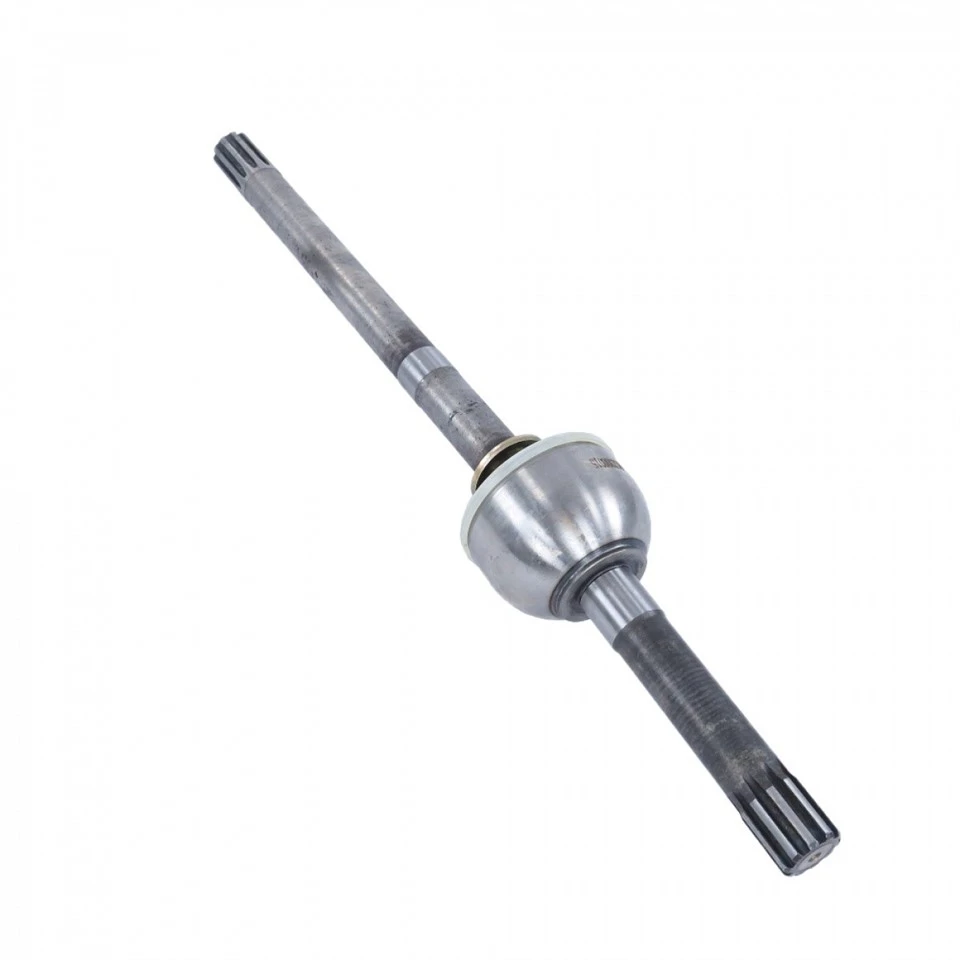
It is also important to lubricate the drive shaft regularly to reduce friction and wear. This can be done by applying a high-quality grease to the slip joints and universal joints. Additionally, the drive shaft should be balanced periodically to ensure smooth operation and reduce vibration.
If any signs of wear or damage are detected during the inspection, the drive shaft should be repaired or replaced immediately. Ignoring these issues can lead to further damage to the drive shaft and other components of the powertrain, resulting in costly repairs.
Conclusion
In conclusion, the drive shaft plays a vital role in a truck's powertrain. It is responsible for transmitting torque from the transmission to the differential, allowing the wheels to rotate and the truck to move. The drive shaft must also accommodate the movement of the suspension and steering components, ensuring smooth operation and reliable performance.
As a drive shafts supplier, we are committed to providing our customers with high-quality drive shafts that meet or exceed their expectations. Our drive shafts are designed to fit a wide range of truck models and are available in various configurations to meet the specific needs of our customers. Whether you are looking for a single-piece drive shaft for a light-duty truck or a two-piece drive shaft for a heavy-duty truck, we have the right solution for you.
If you are in the market for a drive shaft for your truck, we invite you to contact us to discuss your needs. Our team of experts will be happy to help you select the right drive shaft for your application and provide you with a competitive quote. We look forward to working with you and helping you keep your truck running smoothly.
References
- Automotive Engineering Handbook, Society of Automotive Engineers (SAE)
- Truck and Bus Maintenance Manual, various editions
- Drive Shaft Design and Manufacturing Standards, industry publications


