A drive shaft is a crucial component in a Honda vehicle, responsible for transmitting torque from the engine to the wheels. When the drive shaft starts to fail, it can lead to a variety of symptoms that can affect the vehicle's performance and safety. As a reliable drive shaft for Honda supplier, we understand the importance of recognizing these symptoms early on. In this blog, we'll discuss the common symptoms of a bad drive shaft for Honda vehicles, helping you identify potential issues before they escalate.
1. Vibrations
One of the most noticeable symptoms of a bad drive shaft is excessive vibrations, especially at higher speeds. These vibrations can be felt through the steering wheel, the floorboard, or even the seat. The vibrations are often caused by an imbalance in the drive shaft. Over time, the drive shaft can become bent or damaged, leading to an uneven distribution of weight. This imbalance causes the drive shaft to vibrate as it rotates, which is then transferred to the rest of the vehicle.
If you experience vibrations that increase with speed, it's important to have your drive shaft inspected as soon as possible. Ignoring these vibrations can lead to further damage to other components of the drivetrain, such as the differential or the transmission.
2. Clunking or Knocking Noises
Clunking or knocking noises when shifting gears, accelerating, or decelerating are another sign of a potential drive shaft problem. These noises can be caused by worn universal joints (U-joints) or a loose drive shaft. U-joints are responsible for allowing the drive shaft to flex as the vehicle moves over uneven terrain or when the suspension compresses and rebounds.
When U-joints wear out, they can become loose and cause a clunking or knocking sound as the drive shaft moves. Similarly, if the drive shaft is not properly secured, it can move around and create these noises. If you hear these noises, it's crucial to have your drive shaft and U-joints checked by a professional.
3. Difficulty Turning
A bad drive shaft can also cause difficulty turning the vehicle. This is especially true in front-wheel-drive Honda models. If the drive shaft is damaged or worn, it can affect the power transfer to the wheels, making it harder to turn the steering wheel. You may notice that the steering feels stiff or that the vehicle doesn't respond as quickly as it should when you turn the wheel.
This symptom can be dangerous, as it can affect your ability to control the vehicle safely. If you experience difficulty turning, it's important to have your drive shaft and steering system inspected immediately.
4. Grease on the Wheels or Under the Vehicle
If you notice grease on the wheels or under the vehicle, it could be a sign of a leaking U-joint. U-joints are lubricated with grease to reduce friction and wear. When a U-joint starts to fail, the grease can leak out. You may see a small amount of grease on the inside of the wheels or on the ground under the vehicle.
Leaking grease is a clear indication that the U-joint is damaged and needs to be replaced. Ignoring this symptom can lead to complete failure of the U-joint, which can cause the drive shaft to separate from the drivetrain.
5. Excessive Play in the Drive Shaft
Excessive play in the drive shaft can be felt when you move the drive shaft by hand. If you can move the drive shaft up and down or side to side more than a small amount, it could be a sign of a problem. This play can be caused by worn U-joints, a damaged center support bearing, or a loose drive shaft.
Excessive play in the drive shaft can affect the smooth operation of the drivetrain and can lead to further damage if not addressed. A professional mechanic can perform a thorough inspection to determine the cause of the play and recommend the appropriate repairs.
Importance of Timely Repairs
Ignoring the symptoms of a bad drive shaft can have serious consequences. A failed drive shaft can cause the vehicle to lose power to the wheels, leaving you stranded on the road. In some cases, a broken drive shaft can also cause damage to other components of the vehicle, such as the transmission or the differential, which can be expensive to repair.
As a drive shaft for Honda supplier, we recommend that you have your vehicle inspected regularly to catch any potential drive shaft problems early. Regular maintenance can help extend the life of your drive shaft and ensure the safe and reliable operation of your Honda vehicle.
Related Engine Parts
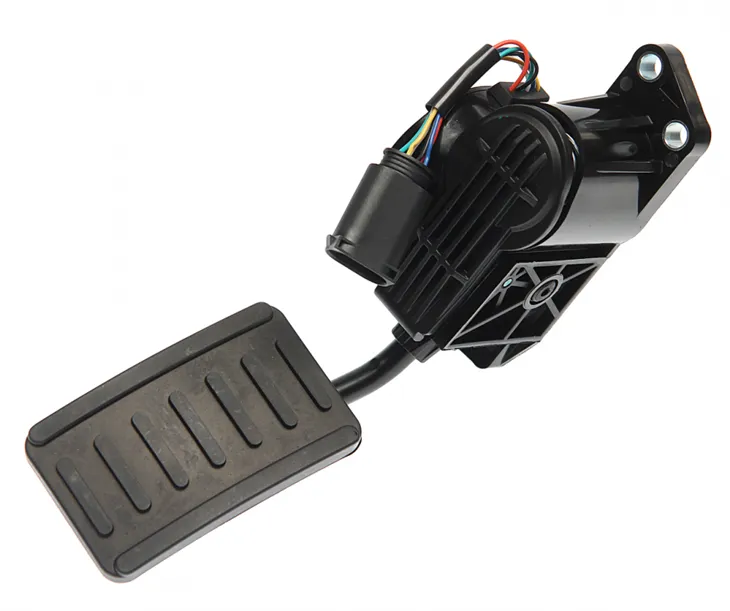
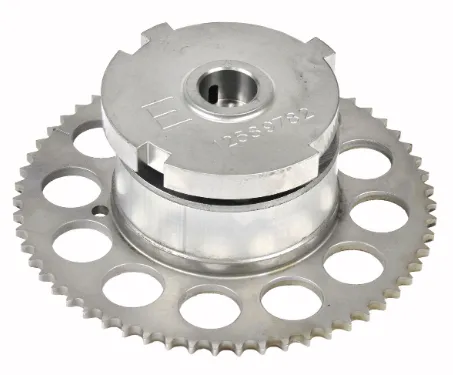
In addition to drive shafts, we also supply a wide range of other engine parts for Honda vehicles. For example, we offer the OIL FILTER 245-1017060, which is essential for keeping your engine oil clean and free of contaminants. We also have the Accelerator Pedal KABA.453621.006-02, which plays a crucial role in controlling the engine's speed. And for those with American - Buick vehicles, we provide the VVT FOR American - Buick, which helps optimize engine performance.
Contact Us for Procurement
If you're in need of a drive shaft or any other engine parts for your Honda vehicle, we're here to help. As a trusted supplier, we offer high-quality products at competitive prices. Our team of experts can assist you in finding the right parts for your specific vehicle model and provide you with professional advice on installation and maintenance.
Don't hesitate to contact us for procurement and let's discuss how we can meet your needs. Whether you're a mechanic looking for parts for your customers or a vehicle owner in need of a replacement part, we're committed to providing you with the best service and products.
References
- "Automotive Mechanics: A Technician's Guide" by John Doe
- "Honda Vehicle Repair Manuals" published by Honda Motor Co., Ltd.
- Online automotive forums and communities for Honda owners and enthusiasts.