

A drive shaft is a crucial component in any vehicle, and for GM vehicles, it plays an even more significant role due to the high - performance and durability expectations associated with the brand. As a trusted drive shaft for GM supplier, I've witnessed firsthand the importance of a well - functioning drive shaft and the issues that can arise when it starts to fail. In this blog, I'll discuss the signs of a bad drive shaft for GM vehicles.
1. Vibrations
One of the most common signs of a bad drive shaft is excessive vibrations. When you're driving your GM vehicle, especially at higher speeds, you may feel a noticeable shaking or vibration in the steering wheel, floorboard, or seat. This vibration can range from a mild annoyance to a severe jolt that makes the vehicle uncomfortable to drive.
The cause of these vibrations can be due to several factors. For instance, if the drive shaft is out of balance, it will rotate unevenly, causing the vibrations. This could happen over time due to normal wear and tear, or if the drive shaft has been damaged in an accident. Another possible cause is a worn - out universal joint. A universal joint, like the Universal Joint 2123 - 2215054R, allows the drive shaft to flex as the vehicle moves over uneven terrain. When it wears out, it can no longer provide a smooth transfer of power, resulting in vibrations.
2. Clunking or Knocking Noises
Clunking or knocking noises coming from under the vehicle are another tell - tale sign of a bad drive shaft. These noises are often most noticeable when you're accelerating, decelerating, or shifting gears. The clunking sound can be a result of a loose or damaged drive shaft.
If the drive shaft bolts are loose, the shaft can move around more than it should, causing it to hit other components in the vehicle and produce the clunking noise. Additionally, a worn - out universal joint can also be the culprit. As the joint wears, it can create play in the drive shaft, leading to the knocking or clunking sounds. If you hear these noises, it's important to have your drive shaft inspected as soon as possible, as continued driving with a loose or damaged drive shaft can lead to more serious problems.
3. Difficulty Turning
A bad drive shaft can also cause difficulty when turning the vehicle. You may notice that the steering feels stiffer than usual, or that the vehicle doesn't respond as quickly when you turn the wheel. This is because the drive shaft is responsible for transferring power from the engine to the wheels. If it's not working properly, the wheels may not receive the power they need to turn smoothly.
In some cases, a damaged drive shaft can cause the wheels to bind or lock up slightly when turning. This can be extremely dangerous, especially when driving at high speeds or in traffic. If you experience difficulty turning your GM vehicle, it's essential to have the drive shaft checked by a professional.
4. Grease on the Wheels or Under the Vehicle
If you notice grease on the wheels or under the vehicle, it could be a sign of a leaking universal joint. Universal joints are filled with grease to lubricate the moving parts and reduce friction. Over time, the seals on the universal joint can wear out, allowing the grease to leak out.
The Universal Joint 2123 - 2215054R is designed to have a certain level of durability, but like all components, it will eventually wear out. When the grease leaks, it not only reduces the lubrication of the joint but can also attract dirt and debris, which can further damage the joint. If you see grease on your wheels or under your vehicle, it's a good idea to have the universal joints inspected and replaced if necessary.
5. Transmission Issues
A failing drive shaft can also cause problems with the transmission. Since the drive shaft is connected to the transmission, any issues with the shaft can affect the way the transmission operates. You may notice that the transmission is slipping, or that it's difficult to shift gears.
For example, if the drive shaft is not transferring power smoothly to the wheels, the transmission may have to work harder to compensate. This can lead to increased wear and tear on the transmission components, and eventually, transmission failure. If you experience any transmission issues along with the other signs mentioned above, it's highly likely that the drive shaft is the root cause.
6. Uneven Tire Wear
Uneven tire wear can also be a sign of a bad drive shaft. When the drive shaft is not working properly, it can cause the wheels to rotate at different speeds or with uneven force. This can lead to uneven wear on the tires.
You may notice that one tire is wearing out faster than the others, or that the tread on the tires is wearing unevenly across the surface. If you see signs of uneven tire wear, it's important to have your drive shaft and tires inspected. Correcting the drive shaft issue can help prevent further tire wear and extend the life of your tires.

Importance of Timely Replacement
As a drive shaft for GM supplier, I understand the importance of timely replacement of a bad drive shaft. Ignoring the signs of a failing drive shaft can lead to more serious and costly problems down the road. For example, a completely broken drive shaft can leave you stranded on the side of the road, and it can also cause damage to other components in the vehicle, such as the transmission or differential.
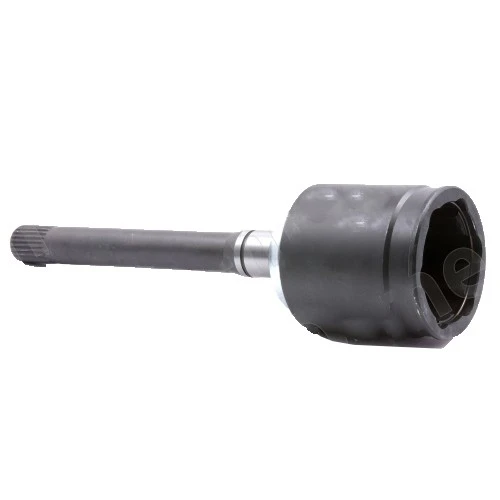
By replacing the drive shaft as soon as you notice the signs, you can ensure the safety and reliability of your GM vehicle. We offer a wide range of high - quality drive shafts for GM vehicles, including the Front Drive Shaft 3741 - 2203010 - 01, which is designed to meet the strict standards of GM vehicles.
Conclusion
In conclusion, being aware of the signs of a bad drive shaft for GM vehicles is crucial for maintaining the performance and safety of your vehicle. Vibrations, clunking or knocking noises, difficulty turning, grease leaks, transmission issues, and uneven tire wear are all indicators that your drive shaft may be failing. If you notice any of these signs, don't hesitate to have your drive shaft inspected and replaced if necessary.
As a drive shaft for GM supplier, we are committed to providing you with the best - quality drive shafts and related components. Whether you need a replacement drive shaft or a universal joint like the Universal Joint 2123 - 2215054R, we have you covered. If you're interested in purchasing our products, please feel free to contact us for more information and to start a procurement negotiation.
References
- Automotive Repair Manuals for GM Vehicles
- Industry Publications on Vehicle Drivetrain Components
- Manufacturer's Specifications for GM Drive Shafts and Related Parts


