

Hey there, fellow 4x4 enthusiasts! As a supplier of drive shafts for GM vehicles, I've had my fair share of questions about the installation requirements for these crucial components. In this blog post, I'm gonna break down everything you need to know about installing a drive shaft in a GM 4x4 vehicle.
First off, let's talk about what a drive shaft does. Simply put, it transfers power from the transmission to the wheels. In a 4x4 vehicle, there are usually two drive shafts - one for the front wheels and one for the rear. These shafts need to be installed correctly to ensure your vehicle runs smoothly and safely.
Pre - installation Checks
Before you even start thinking about installing the drive shaft, you've gotta do some pre - installation checks.
Inspect the Old Drive Shaft
If you're replacing an old drive shaft, take a good look at it. Check for any signs of wear, like cracks, dents, or excessive play in the universal joints. If you notice any issues, it's a clear sign that a replacement is necessary. This is also a good time to measure the length of the old drive shaft. You want to make sure the new one you're installing has the same length.
Check the Transmission and Differential
The transmission and differential are connected to the drive shaft. Inspect them for any leaks, damaged seals, or worn - out gears. A faulty transmission or differential can put extra stress on the drive shaft and cause premature failure. Make sure all the mounting points on these components are clean and in good condition.
Measure the Shaft Angle
The angle of the drive shaft is super important. You need to measure the angle between the transmission output shaft and the differential input shaft. This angle should be within the manufacturer's specifications. If it's too steep, it can cause vibrations and uneven wear on the drive shaft and other components. You can use a protractor or an angle - measuring tool to get an accurate reading.
Tools You'll Need
Installing a drive shaft isn't a super complicated job, but you'll need the right tools. Here's a list of what you'll need:
- Socket and wrench set: You'll use these to remove and install the bolts that hold the drive shaft in place.
- Torque wrench: This is crucial for tightening the bolts to the correct torque specification. Over - tightening or under - tightening the bolts can lead to problems.
- Pry bar: You might need a pry bar to help separate the drive shaft from the transmission or differential.
- Jack and jack stands: You'll need to lift the vehicle to access the drive shaft. Make sure to use jack stands to support the vehicle safely.
Installation Steps
Remove the Old Drive Shaft
First, you'll need to lift the vehicle using a jack and secure it with jack stands. Locate the bolts that connect the drive shaft to the transmission and differential. Use your socket and wrench set to remove these bolts. Once the bolts are removed, you might need to use a pry bar to gently separate the drive shaft from the components. Be careful not to damage the yokes or the universal joints.
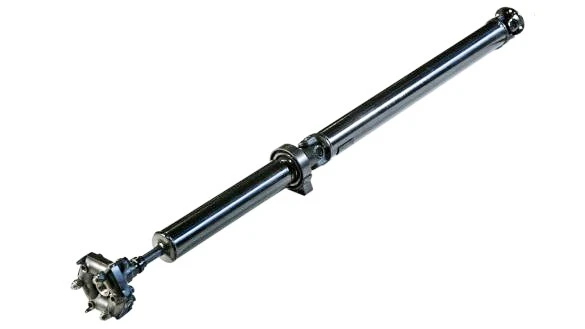

Install the New Drive Shaft
Before you install the new drive shaft, make sure it's clean and free of any debris. Apply a small amount of grease to the universal joints to ensure smooth operation. Align the yokes of the drive shaft with the transmission and differential yokes. Insert the bolts and hand - tighten them.
Tighten the Bolts
Use a torque wrench to tighten the bolts to the manufacturer's recommended torque specification. This is really important because it ensures a secure connection and prevents the drive shaft from coming loose while you're driving.
Check the Alignment
After you've installed the drive shaft, double - check the alignment. Make sure the shaft is straight and there are no signs of binding. You can rotate the drive shaft by hand to check for smooth operation.
Additional Considerations
When it comes to GM 4x4 vehicles, there are a few additional things to keep in mind.
4WD System Compatibility
GM 4x4 vehicles come with different 4WD systems, like part - time and full - time 4WD. Make sure the drive shaft you're installing is compatible with your vehicle's 4WD system. Using an incompatible drive shaft can lead to serious problems, like damage to the transfer case or differential.
Balancing
A balanced drive shaft is essential for smooth operation. Some drive shafts come pre - balanced, but if yours doesn't, you might need to have it balanced by a professional. An unbalanced drive shaft can cause vibrations, which can be really annoying and can also damage other components over time.
Our Products
As a supplier of drive shafts for GM vehicles, we've got a great range of products. One of our popular products is the Drive Shaft 2105 - 2200012. It's designed to meet the highest quality standards and is a perfect fit for many GM 4x4 vehicles.
We also offer other related products, like the CONTROL ARM TZKB - 05MT Red (polyurethane) and the CONTROL ARM TZKB - 99CH - 24F Blue(rubber). These control arms are important for the suspension system of your 4x4 vehicle and work well in conjunction with our drive shafts.
Contact Us for Procurement
If you're in the market for a drive shaft for your GM 4x4 vehicle or any of our other products, we'd love to hear from you. Whether you're a DIY enthusiast or a professional mechanic, we can provide you with the high - quality parts you need. Don't hesitate to reach out for more information or to start a procurement discussion.
References
- GM Vehicle Service Manuals
- Automotive Repair and Maintenance Guides
So there you have it, folks! That's everything you need to know about the installation requirements for a drive shaft in a GM 4x4 vehicle. If you have any questions or need more advice, feel free to drop us a line.


