

Hey there, fellow Mazda enthusiasts! As a long - time supplier of drive shafts for Mazda vehicles, I've seen my fair share of drive shaft issues. In this blog, I'm gonna walk you through how to diagnose problems with the drive shaft for your Mazda.
Let's start with understanding what a drive shaft does. The drive shaft is a crucial component in your Mazda's drivetrain. It transfers torque from the transmission to the differential, which then distributes power to the wheels. When something goes wrong with the drive shaft, it can really mess up your driving experience.
1. Listen for Unusual Noises
One of the first signs that there might be a problem with the drive shaft is strange noises. If you hear a clunking sound when you shift gears or start moving, it could indicate a loose or worn - out U - joint. U - joints are the flexible connections at each end of the drive shaft, and they allow for movement as the suspension moves up and down. Over time, the bearings in the U - joints can wear out, causing that clunking noise.
Another noise to watch out for is a rattling or vibrating sound. This could be a sign of a damaged or unbalanced drive shaft. A damaged drive shaft might have a crack or a dent, which can cause it to vibrate as it rotates. An unbalanced drive shaft, on the other hand, might have a weight imbalance due to wear or damage, leading to vibrations that can be felt in the steering wheel or the floorboard.
2. Check for Vibration
Vibration is a big red flag when it comes to drive shaft problems. If you feel a significant vibration while driving, especially at higher speeds, it's time to take a closer look at the drive shaft. Start by checking the condition of the U - joints. You can do this by jacking up the car and trying to move the drive shaft by hand. If there's excessive play in the U - joints, it's a sign that they need to be replaced.

You should also inspect the drive shaft for any visible damage, like cracks or dents. A cracked drive shaft is extremely dangerous and needs to be replaced immediately. Even a small crack can grow over time, leading to a complete failure of the drive shaft while you're on the road.
3. Look for Leaks
Drive shafts are often lubricated, and if you notice any grease or oil leaks around the drive shaft area, it could be a sign of a problem. Leaking grease might indicate a damaged U - joint seal. The seals are there to keep the grease in and dirt and moisture out. When the seals are damaged, the grease can leak out, and contaminants can get in, causing premature wear of the U - joints.
Oil leaks could be a sign of a more serious problem, such as a damaged differential or transmission. Since the drive shaft is connected to both the transmission and the differential, any issues with these components can affect the drive shaft. For example, a leaking differential can cause the drive shaft to operate in a contaminated environment, leading to accelerated wear.
4. Examine the Rear Axle Flange
The Rear axle flange 3302 - 2402138 - 20 is an important part of the drive shaft assembly. It connects the drive shaft to the rear axle. Over time, the rear axle flange can become loose or damaged. Check for any signs of looseness by trying to wiggle the drive shaft at the rear axle flange. If there's excessive movement, it could be a sign that the flange needs to be tightened or replaced.
Also, look for any signs of damage, like cracks or corrosion, on the rear axle flange. A damaged flange can cause misalignment of the drive shaft, which can lead to vibrations and premature wear of other components.
5. Inspect the Associated Filters
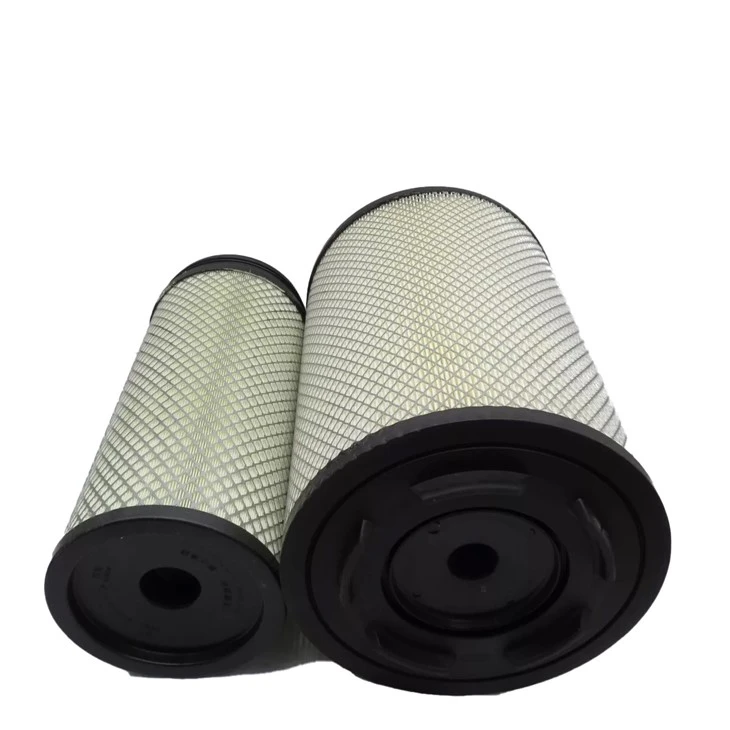
While it might seem a bit off - topic, the OIL FILTER T25 - 1117040 and AIR FILTER WG9725190102 C271050 CF1811 can also have an impact on the drive shaft. A clogged oil filter can cause poor lubrication in the engine and transmission, which can put extra stress on the drive shaft. Similarly, a dirty air filter can reduce engine performance, leading to uneven power delivery to the drive shaft.
Make sure to regularly replace these filters according to your Mazda's maintenance schedule. This simple step can help prevent a lot of potential problems with the drive shaft and other components of your vehicle.
6. Trust Your Instincts
Sometimes, you might just have a gut feeling that something's not right with your Mazda's drive shaft. Maybe the car doesn't feel as smooth as it used to, or you notice a change in the way it handles. Don't ignore these feelings. If you suspect a problem, it's always better to have it checked out by a professional.
As a drive shaft supplier for Mazda, I know how important it is to keep your drive shaft in top condition. A well - maintained drive shaft ensures smooth and efficient power transfer, which is essential for a great driving experience.
If you're experiencing any of the issues I've mentioned above or if you're just looking to replace your drive shaft as part of your regular maintenance, I'm here to help. We offer high - quality drive shafts for all Mazda models, and our team of experts can assist you in finding the right part for your vehicle.
Don't hesitate to reach out if you have any questions or if you're interested in purchasing a drive shaft. We're committed to providing the best products and services to our customers. Whether you're a DIY enthusiast or a professional mechanic, we've got you covered.
References
- "Mazda Vehicle Maintenance Manual"
- "Automotive Drivetrain Systems: Principles and Diagnosis"
- Various automotive repair blogs and forums


