Hey there! As a supplier of drive shafts for GM, I've been in the thick of understanding how these crucial components handle torque variations. Torque is like the muscle of a vehicle - it's what gets things moving and keeps them going. So, let's dig into how a GM drive shaft deals with those ever - changing torque levels.
First off, what exactly is torque? Torque is the rotational force that an engine generates. When you step on the gas pedal, the engine creates torque, which then needs to be transferred to the wheels to make the car move. But here's the thing - torque isn't a constant value. It varies depending on a bunch of factors, like how hard you're accelerating, the speed of the vehicle, and the load it's carrying.
A GM drive shaft plays a super important role in this whole torque - transfer process. It's like the middleman between the engine and the wheels. The drive shaft needs to be able to handle different amounts of torque without breaking or failing.
One of the key features that helps a GM drive shaft handle torque variations is its design. These drive shafts are engineered to be strong and flexible at the same time. They're usually made from high - quality materials like steel or aluminum. Steel drive shafts are known for their high strength. They can withstand a lot of torque without deforming. Aluminum drive shafts, on the other hand, are lighter. This means they can spin faster and reduce the overall weight of the vehicle, which can improve fuel efficiency. But don't think they're weak - they're still designed to handle the torque demands of a GM vehicle.
Another important aspect is the joints in the drive shaft. The universal joints, or U - joints, are like the flexible elbows of the drive shaft. They allow the drive shaft to bend and move as the vehicle's suspension moves up and down. This is crucial because as the vehicle goes over bumps or makes turns, the angle between the engine and the wheels changes. The U - joints need to be able to accommodate these angle changes while still transferring torque smoothly.
Take the GAZ universal joint 5022382 - 1 for example. This type of joint is designed to be durable and efficient in transferring torque. It can handle a wide range of torque variations, ensuring that the drive shaft operates properly under different driving conditions.
The balance of the drive shaft is also a big deal when it comes to handling torque variations. An unbalanced drive shaft can cause vibrations, which not only make the ride uncomfortable but can also lead to premature wear and tear on the drive shaft and other components. A well - balanced drive shaft spins smoothly, which helps it transfer torque evenly. This means that no single part of the drive shaft is overloaded with torque, reducing the risk of failure.
Now, let's talk about how engine technologies can affect torque variations and how the drive shaft copes with them. For instance, variable valve timing (VVT) technology is becoming more and more common in GM engines. VVT allows the engine to adjust the timing of the intake and exhaust valves, which can optimize the engine's performance at different speeds and loads. This, in turn, affects the torque output of the engine.
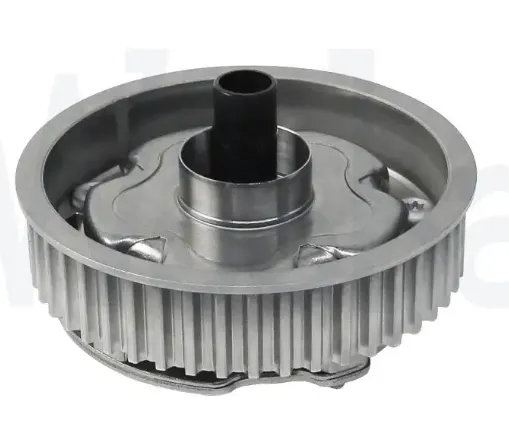
The VVT FOR American - Buick is a great example of this technology. When the engine's torque output changes due to VVT adjustments, the drive shaft needs to be able to handle these variations. The design and construction of the drive shaft ensure that it can adapt to the changing torque levels, whether the engine is producing high torque at low speeds or low torque at high speeds.
Another factor that can cause torque variations is the vehicle's cooling system. Take the Cummins Small Circulation Pipe as an example. The cooling system helps keep the engine at an optimal temperature. If the engine gets too hot, its performance can be affected, which can lead to changes in torque output. The drive shaft needs to be able to handle these torque variations that may occur due to cooling system issues or normal temperature fluctuations.
In addition to all these design and technology aspects, regular maintenance is essential for a drive shaft to handle torque variations effectively. Over time, the U - joints can wear out, and the drive shaft can become unbalanced. By having the drive shaft inspected and maintained regularly, you can ensure that it's in good condition and can continue to handle the torque demands of the vehicle.
So, if you're in the market for a drive shaft for your GM vehicle, you want to make sure you're getting a high - quality product. As a supplier, I can offer you drive shafts that are specifically designed to handle the torque variations of GM vehicles. Whether you have a sedan, an SUV, or a truck, our drive shafts are engineered to meet the unique torque requirements of each type of vehicle.

If you're interested in learning more about our drive shafts or want to discuss a potential purchase, I'd love to hear from you. Just reach out, and we can start a conversation about how our products can meet your needs.
References:
- Automotive Engineering textbooks on drive shaft design and torque transfer
- GM vehicle technical manuals for torque specifications and drive shaft requirements