As a dedicated supplier of drive shafts for Benz vehicles, I've spent years delving into the intricate details of these crucial components. One aspect that often comes under scrutiny is how a drive shaft for Benz performs in extreme temperatures. In this blog, I'll share my in - depth knowledge on this topic, based on both theoretical understanding and real - world experience.
Understanding the Drive Shaft in a Benz Vehicle
The drive shaft in a Benz is a key part of the powertrain system. Its primary function is to transfer torque from the transmission to the differential, which then distributes power to the wheels. A well - functioning drive shaft ensures smooth and efficient power delivery, contributing to the overall performance and safety of the vehicle.
Performance in High Temperatures
Material Expansion
One of the most significant challenges in high - temperature environments is material expansion. Drive shafts for Benz are typically made of high - strength steel or aluminum alloys. When exposed to extreme heat, these materials expand. In steel drive shafts, the expansion coefficient is relatively low, but in high - heat conditions, even a small amount of expansion can cause misalignment. This misalignment can lead to vibrations, increased wear on the joints, and potentially even damage to the drive shaft itself.
For aluminum alloy drive shafts, the expansion coefficient is higher. This means that in high - temperature situations, the shaft can expand more significantly. If the design of the drive shaft and its mounting system does not account for this expansion, it can result in binding or excessive stress on the universal joints. This can lead to premature failure of the joints, which are critical for the flexible operation of the drive shaft.
Lubrication Breakdown
Another issue in high temperatures is the breakdown of lubricants. The universal joints and other moving parts of the drive shaft rely on lubrication to reduce friction and wear. High temperatures can cause the lubricant to thin out and lose its viscosity. When this happens, the protective film that the lubricant forms between the moving parts breaks down. As a result, the friction between the parts increases, leading to accelerated wear. In extreme cases, the lack of proper lubrication can cause the parts to seize up, rendering the drive shaft inoperable.
Impact on Balancing
High temperatures can also affect the balancing of the drive shaft. As the shaft expands unevenly due to temperature variations, its balance can be disrupted. An unbalanced drive shaft can cause vibrations that are felt throughout the vehicle. These vibrations not only reduce the comfort of the ride but can also cause damage to other components in the vehicle over time.
Performance in Low Temperatures
Material Brittleness
In low - temperature environments, the main concern is the brittleness of the materials. Steel drive shafts can become more brittle at low temperatures. This is because the atoms in the steel lattice have less mobility, making the material more prone to cracking under stress. A sudden shock or impact on a brittle drive shaft can cause a crack to form, which can quickly propagate and lead to a catastrophic failure of the shaft.
Aluminum alloy drive shafts also experience a decrease in ductility at low temperatures. Although they are generally more resistant to corrosion than steel, their performance in cold conditions can be compromised. The reduced ductility means that the shaft is less able to absorb energy from impacts, increasing the risk of damage.
Lubricant Thickening
Just as high temperatures can cause lubricants to break down, low temperatures can cause them to thicken. When the lubricant in the universal joints and other moving parts of the drive shaft thickens, it becomes less effective at reducing friction. The increased viscosity can make it difficult for the joints to move smoothly, resulting in increased resistance and wear. In some cases, the thickened lubricant can even prevent the joints from moving altogether, causing the drive shaft to malfunction.
Electrical and Electronic Components (if applicable)
Some modern Benz drive shafts may incorporate electrical or electronic components, such as sensors for monitoring shaft speed or torque. In low - temperature conditions, these components can be affected. The performance of electronic circuits can degrade, and the accuracy of the sensors can be compromised. This can lead to incorrect data being sent to the vehicle's control systems, potentially affecting the overall performance and safety of the vehicle.

Our Solutions as a Supplier
Advanced Material Selection
We, as a drive shaft for Benz supplier, pay close attention to material selection. We use high - quality steel and aluminum alloys that are specifically designed to withstand a wide range of temperatures. For high - temperature applications, we can choose materials with lower expansion coefficients and better heat - resistance properties. In low - temperature scenarios, we select materials that maintain their ductility and toughness.
Specialized Lubricants
We also offer drive shafts with specialized lubricants that are formulated to perform well in extreme temperatures. These lubricants have a wider operating temperature range, ensuring that they maintain their viscosity and protective properties whether the vehicle is in a scorching desert or a freezing tundra.
Precise Design and Manufacturing
Our manufacturing process is highly precise. We use advanced computer - aided design (CAD) and manufacturing (CAM) techniques to ensure that the drive shafts are designed to accommodate material expansion and contraction. The mounting systems are engineered to allow for some flexibility, reducing the risk of misalignment due to temperature - induced changes.
Related Products
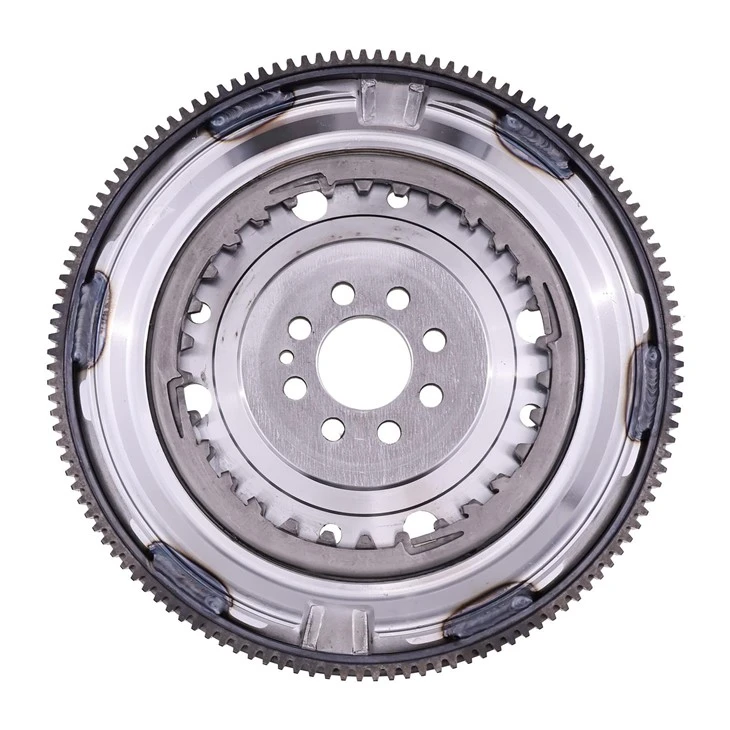
If you are interested in other related parts for your Benz vehicle, we also offer a variety of high - quality components. For example, we have the Steering Universal Joint 3163 - 3401400 - 40, which is an essential part for the steering system. Additionally, our Flywheel 06J 105 266 AM, 06J 105 266 AJ plays a crucial role in the engine's power transmission. And for air quality in your vehicle, our CABIN FILTER 316306 - 8101140 - 60 can effectively filter out dust and pollutants.
Conclusion
The performance of a drive shaft for Benz in extreme temperatures is a complex issue that involves multiple factors, including material properties, lubrication, and design. As a supplier, we are committed to providing high - quality drive shafts that can withstand the harshest conditions. Whether your Benz vehicle is operating in the sweltering heat of a summer day or the freezing cold of a winter night, our drive shafts are designed to perform reliably.
If you are in the market for a drive shaft for your Benz or have any questions about our products, we encourage you to reach out to us for a detailed discussion. We are here to help you make the best choice for your vehicle's needs.
References
- "Automotive Driveline Systems" by Hans - Jürgen Warnecke
- "Materials Science and Engineering: An Introduction" by William D. Callister Jr. and David G. Rethwisch
- Technical manuals provided by Benz for drive shaft design and maintenance.