Troubleshooting a drive shaft problem in your Buick can be a daunting task, but with the right knowledge and approach, you can diagnose and potentially fix the issue. As a drive shaft supplier for Buick vehicles, I've encountered various drive shaft problems over the years. In this blog, I'll share some common signs of drive shaft issues, steps to troubleshoot them, and how to address the problems.
Common Signs of Drive Shaft Problems
Before you start troubleshooting, it's important to recognize the signs that indicate a drive shaft problem. Here are some common symptoms:
1. Vibrations
One of the most noticeable signs is excessive vibrations, especially at higher speeds. These vibrations can be felt in the steering wheel, floorboard, or seat. Vibrations can be caused by a bent drive shaft, unbalanced drive shaft, or worn-out universal joints (U-joints).

2. Clunking or Knocking Noises
If you hear clunking or knocking noises when you shift gears, accelerate, or decelerate, it could be a sign of a loose or worn-out U-joint. The noise may also indicate a problem with the drive shaft's splines or a damaged center support bearing.
3. Difficulty Turning
A damaged drive shaft can also cause difficulty turning the vehicle. You may notice that the steering feels stiff or that the vehicle doesn't respond as quickly as it should when you turn the wheel. This could be due to a problem with the CV joints or the drive shaft itself.
4. Grease on the Wheels or Under the Vehicle
If you see grease on the wheels or under the vehicle, it could be a sign of a leaking U-joint. U-joints are lubricated with grease, and if the seals are damaged, the grease can leak out. This can lead to premature wear and failure of the U-joint.
Steps to Troubleshoot a Drive Shaft Problem
Once you've identified the signs of a drive shaft problem, you can start troubleshooting the issue. Here are the steps you can take:
1. Inspect the Drive Shaft Visually
The first step is to visually inspect the drive shaft for any signs of damage or wear. Look for cracks, dents, or bends in the drive shaft. Check the U-joints for signs of wear, such as loose or damaged bearings, and look for any signs of grease leakage. You can also check the center support bearing for signs of wear or damage.
2. Check the U-joints
To check the U-joints, you'll need to remove the drive shaft from the vehicle. Once the drive shaft is removed, you can check the U-joints for play. Grasp the U-joint and try to move it back and forth. If there is excessive play, the U-joint may need to be replaced. You can also check the U-joint's bearings by rotating them. If the bearings are rough or noisy, they may need to be replaced.
3. Check the Center Support Bearing
The center support bearing is located in the middle of the drive shaft and helps to support the weight of the drive shaft. To check the center support bearing, you'll need to remove the drive shaft from the vehicle. Once the drive shaft is removed, you can check the center support bearing for signs of wear or damage. Look for cracks, tears, or excessive play in the bearing. If the bearing is damaged, it will need to be replaced.
4. Check the CV Joints
If your Buick has a front-wheel drive or all-wheel drive system, it may have CV joints. CV joints are used to transfer power from the transmission to the wheels. To check the CV joints, you'll need to remove the drive shaft from the vehicle. Once the drive shaft is removed, you can check the CV joints for signs of wear or damage. Look for cracks, tears, or excessive play in the CV joints. If the CV joints are damaged, they will need to be replaced.
5. Check the Drive Shaft's Balance
A bent or unbalanced drive shaft can cause vibrations. To check the drive shaft's balance, you'll need to use a drive shaft balancing machine. If the drive shaft is unbalanced, it will need to be balanced or replaced.
Addressing Drive Shaft Problems
Once you've identified the problem with the drive shaft, you can take steps to address it. Here are some common solutions:
1. Replace the U-joints
If the U-joints are worn or damaged, they will need to be replaced. You can purchase U-joints from a reputable auto parts store or from a drive shaft supplier. When replacing the U-joints, it's important to use high-quality parts and to follow the manufacturer's instructions.
2. Replace the Center Support Bearing
If the center support bearing is worn or damaged, it will need to be replaced. You can purchase a center support bearing from a reputable auto parts store or from a drive shaft supplier. When replacing the center support bearing, it's important to use high-quality parts and to follow the manufacturer's instructions.
3. Replace the CV Joints
If the CV joints are worn or damaged, they will need to be replaced. You can purchase CV joints from a reputable auto parts store or from a drive shaft supplier. When replacing the CV joints, it's important to use high-quality parts and to follow the manufacturer's instructions.
4. Balance or Replace the Drive Shaft
If the drive shaft is bent or unbalanced, it will need to be balanced or replaced. You can take the drive shaft to a drive shaft balancing shop or to a drive shaft supplier. When balancing or replacing the drive shaft, it's important to use high-quality parts and to follow the manufacturer's instructions.
Related Parts and Resources
If you're looking for other parts for your Buick, you may be interested in the following:
- CABIN FILTER A9408350047: A high-quality cabin filter can help to improve the air quality in your vehicle.
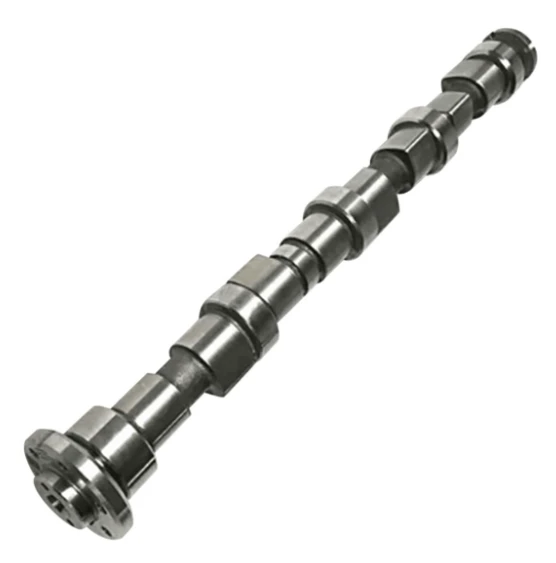
- Cummins Camshaft: If you have a Cummins engine in your Buick, a new camshaft may be necessary for optimal performance.
- Internal hinge fork GAZ (4x4) left 23107-2304067: This part is essential for the proper functioning of the drive shaft in certain Buick models.
Contact for Purchase and Consultation
If you're experiencing drive shaft problems with your Buick or need to purchase high-quality drive shaft parts, I'm here to help. As a trusted drive shaft supplier for Buick vehicles, I can provide you with the expertise and products you need. Whether you have questions about troubleshooting, need advice on part selection, or are ready to place an order, feel free to reach out. We're committed to ensuring your Buick runs smoothly and efficiently.
References
- "Automotive Technology: A Systems Approach" by James D. Halderman
- "Chilton's Auto Repair Manual"